Most homeowners trim their own smaller trees, and there is nothing wrong with that when it is done thoughtfully. The trouble is that a tree does not heal a bad cut the way skin heals; it seals off the wound and lives around it, so every poor cut is permanent. A few common habits do real, lasting harm, and all of them are avoidable once you know what to watch for.
Mistake one: cutting in the wrong place
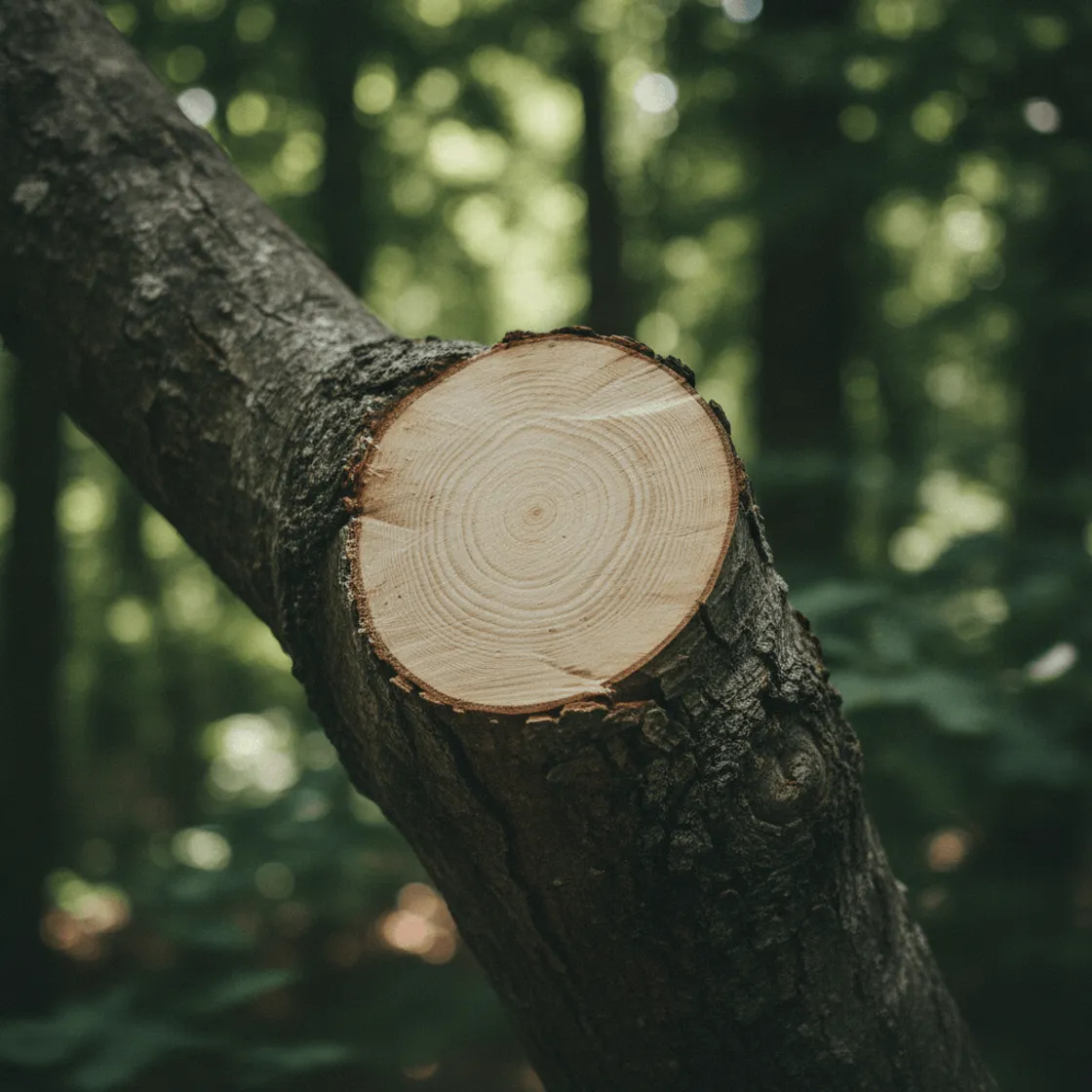
Where you cut matters as much as what you cut. Cut flush against the trunk and you remove the branch collar, the slightly swollen ring at the base of the limb that contains the tree's natural defense zone. Without it the wound cannot seal, and decay walks straight into the trunk. Cut too far out and you leave a stub that dies back and rots. The right cut is just outside the collar, leaving that ring intact so the tree can close the wound over the next couple of seasons.
On any branch bigger than an inch or two, the three-cut method prevents the bark from tearing: an undercut a foot out, a top cut just beyond it to drop the weight, then a final clean cut at the collar. Skip the first two and the falling branch peels a long strip of bark off the trunk on its way down, and that wound is far worse than the pruning.
Mistake two: taking too much, or topping
Leaves are how a tree feeds itself. Strip away more than about a quarter of the living canopy in one season and you starve it, forcing it to burn through stored energy just to recover. The most extreme version is topping, where the whole crown is cut back to stubs. It is still common, and it is one of the worst things you can do to a tree.
Topping a tree does not make it safer. It:
- Forces a flush of weak, fast-growing shoots that are far more likely to break than the limbs that were removed.
- Leaves large wounds that rarely seal and become entry points for decay.
- Removes the leaves the tree needs, starving and stressing it.
- Often leads to a bigger, more expensive problem, and frequently a removal, a few years down the road.
If a tree is too big for its spot, the answer is proper crown reduction by someone who knows how, or an honest conversation about whether it belongs there at all. It is never topping.
Mistake three: trimming at the wrong time of year
Timing is not just a detail. Prune an oak in the warm months in Georgia and you risk oak wilt, a disease spread by beetles drawn to fresh cuts. Prune a spring-flowering tree in late winter and you cut off the year's blooms. Heavy pruning during a summer drought stresses an already-stressed tree. For most north Georgia hardwoods, the dormant season from late fall into winter is the safest window, when the tree is not actively growing and pests and disease are least active.
The big exception is anything broken, dead, or hanging after a storm. That comes off whenever it happens, because a hazard does not wait for the calendar.
Mistake four: working near power lines or overhead
The last mistake is the most dangerous: doing high or heavy work from a ladder. More homeowners are hurt every year trimming trees than you might guess, almost always because a limb was bigger, heavier, or closer to a wire than it looked from the ground. Anything near a power line, anything over the roof, and anything you would need to leave the ground to reach is work for a crew with the right equipment and training.
How Engram's Tree Service can help
Good pruning is quiet work: a healthy tree, a strong structure, and cuts you can barely find a year later. Our certified arborist plans the pruning on every job so the tree keeps the frame it needs, and our crew has the equipment to reach what a ladder should not. If you have a tree that needs shaping, thinning, or a hazard limb taken off, tell us about it and we will come take a look.